What happens on the first day?
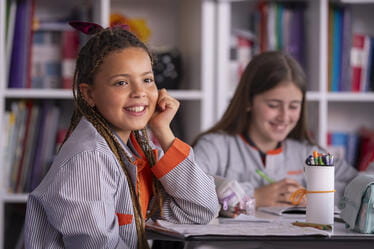
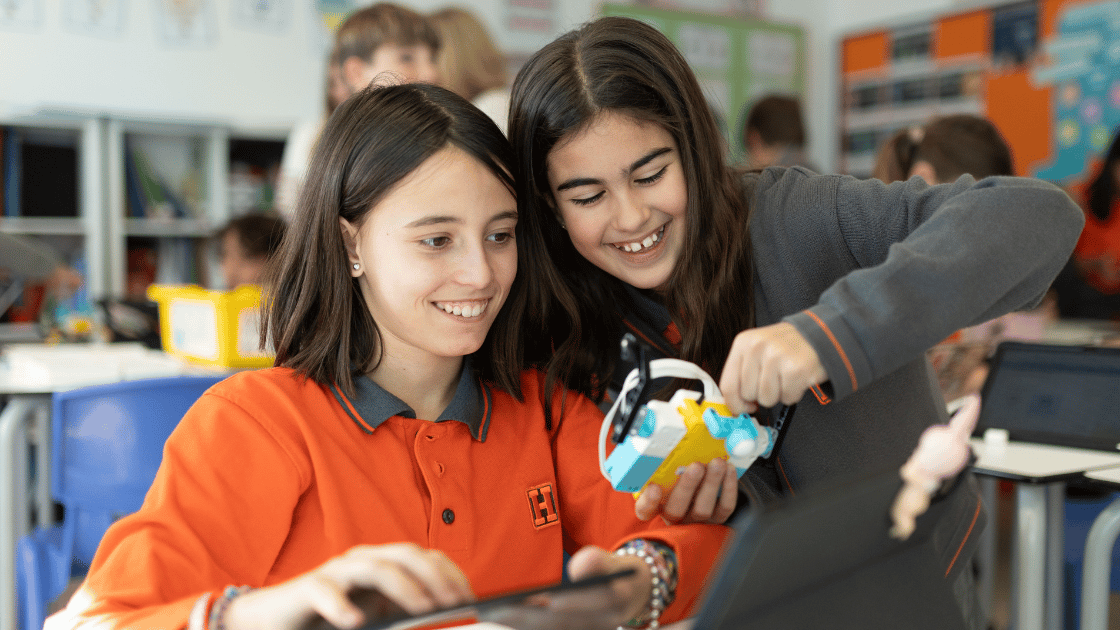
The first day of term at an international school is intentionally welcoming rather than demanding. At Hamelin-Laie, the academic programme begins gently, with time for children to reconnect with friends, meet new classmates, and find their bearings in a refreshed environment.
New students are paired with a peer buddy who can show them around, answer questions, and make introductions. This peer support is often more effective than adult guidance in the first few days, because children take their social cues from each other.
For parents, the first drop-off can feel harder than it does for the child. A quick, calm parting works better than a drawn-out goodbye for both children and parents.
What does the first week look like?
The first week of term is primarily social and organisational. Teachers assess where students are, build relationships with new members of the group, and establish the classroom culture for the year. Children reconnect with existing friendships and begin to form new ones.
Academic demands ramp up gradually. Most experienced international school teachers understand that children need a settling-in period, and they pace the start of term accordingly.
For children joining from a different school system or country, the first week can feel like a lot to take in at once: the building, the faces, the routines, the expectations. This is temporary. Most children find their footing within two to three weeks, though the timeline varies.
What do children find hardest in the early weeks?
The social dimension of starting a new year group, or a new school entirely, is usually harder than the academic one. Children worry about where to sit at lunch, who to talk to at break, and whether others will include them.
These worries are universal and almost always resolve themselves. But they are real in the moment, and parents who acknowledge them rather than dismissing them with quick reassurance tend to find their children more willing to talk about how they are getting on.
Lunch and break times are the unstructured moments children find most challenging in the early weeks. Hamelin-Laie offers structured activities during these periods in the first weeks of term, which help children build social connections before they are expected to navigate free time independently.
How can parents help at home during those first weeks?
Keep the evenings calm. The school day at an international school is socially and cognitively demanding, and it’s normal if your child arrives home exhausted in the first few weeks. This is not a sign that anything is wrong. It is a sign that your child is working hard to process a significant transition. Quiet time, a good meal, and earlier bedtimes are preferable to extra activities in September.
Ask open questions. Rather than asking "How was school?", which tends to produce a one-word answer, try asking "What was the most interesting thing that happened today?" or "Was there anything that surprised you?" These questions invite reflection rather than evaluation, and children often find them easier to engage with.
Stay in light contact with the school. Most international schools welcome a brief message from parents in the early weeks if something feels off at home. At Hamelin-Laie, the pastoral care team and form tutors are available for exactly this kind of conversation. Early contact is always welcomed.
What does the curriculum look like from the start?
At Hamelin-Laie, students from the early years through to secondary follow internationally recognised curriculum frameworks designed to develop critical thinking, creativity, and independence alongside academic knowledge.
In the early years and primary stages, learning is active and enquiry-based. In secondary, students choose between the IB Diploma Programme and the National Baccalaureate, both of which prepare them well for university entry in Spain and internationally. In 2025, Hamelin-Laie's National Baccalaureate students achieved a 100% pass rate, and IB Diploma students reached an average score of 31.0 points in 2026.
From the very first week, the curriculum at Hamelin-Laie is designed to engage students rather than simply instruct them. This makes the return to learning feel more natural, even for children who found the summer difficult to leave behind.
When should parents seek extra support?
Most children settle well within the first month. But if a child continues to show significant signs of anxiety beyond the first few weeks, it is worth speaking to the school directly. Signs to look out for include persistent reluctance to attend school, physical complaints with no clear medical cause, withdrawal from activities they usually enjoy, and disrupted sleep.
Hamelin-Laie's pastoral care team includes form tutors, year group leads, and access to additional wellbeing support where needed. Early conversations are always better than waiting.
The first weeks pass faster than you think
The early weeks of term are intense for families. But they pass. By mid-October, most children have found their place, made their connections, and settled into the rhythm of the new year.
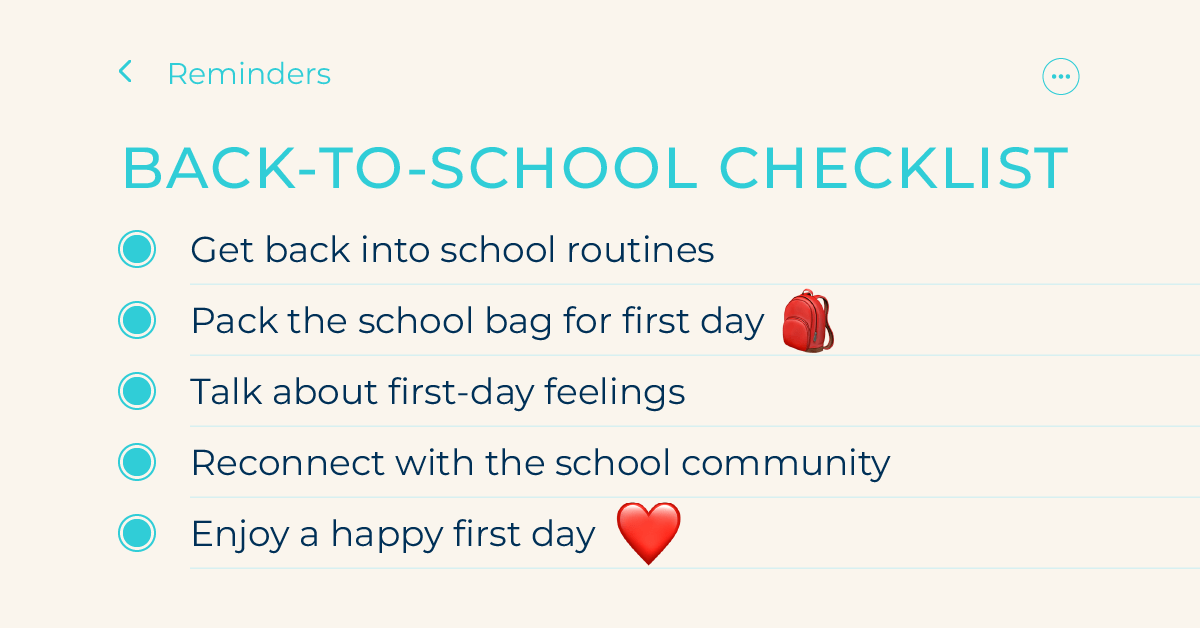
For everything you need to do before September arrives, work through our Back to School Checklist for International Families in Barcelona.
If you have questions about how Hamelin-Laie supports students through the start of term, our admissions team is happy to talk you through what to expect.



.jpg?h=4000&iar=0&w=6000&rev=feff39acc8fb4a3583aa2e6aa5e2cacd&hash=CE02BBED6AA4A21825D4BA2A877E61E8)