

We use cookies to improve your online experiences. To learn more and choose your cookies options, please refer to our cookie policy.

12 November, 2026
The Complete Guide to Choosing an International School in Barcelona
Choosing an international school is one of the most significant decisions your family can make. Get it right and your child has a foundation that shapes everything that follows: their confidence, their friendships, their academic future, and their sense of themselves in the world. Get it wrong and the next few years can feel like an uphill struggle.
Barcelona has more than 50 international schools. With so many options available, finding the best fit for your child requires careful thought. This guide walks you through everything you need to consider, from the practical questions to the ones that are harder to put into words.
What is an international school and how is it different from a local school?
An international school is a school that offers an internationally recognised curriculum, typically taught in English, and designed to serve students from a range of national backgrounds. The most common frameworks in Barcelona are the International Baccalaureate, the British National Curriculum, and the American High School Diploma.
The key differences from a local Spanish or Catalan school are curriculum, language of instruction, and the makeup of the student community. Local schools follow the Spanish national curriculum and teach primarily in Spanish and Catalan. International schools teach in English, often with additional language programmes, and typically draw students from many different countries.
Neither is objectively better. The right choice depends on your family's circumstances, your plans for the future, and what you want your child's school experience to look like. For families who are in Barcelona for a fixed period, or who may move again, an international school often makes the most practical sense. For families with long-term roots in Spain, a local school may offer stronger integration into the community.
What curricula are available at international schools in Barcelona?
Understanding the different curricula on offer is one of the most important parts of choosing a school. The curriculum determines not just what your child learns, but how they learn it, and which universities and pathways will be open to them afterwards.
The International Baccalaureate
The IB is the most widely recognised international curriculum in the world. There are four IB programmes: the Primary Years Programme for ages 3 to 12, the Middle Years Programme for ages 11 to 16, the Diploma Programme for ages 16 to 19, and the Career-related Programme for ages 16 to 19. The IB Diploma in particular is highly regarded by universities globally and opens doors across Europe, the UK, North America, and beyond.
The IB approach is enquiry-based and interdisciplinary. Students are encouraged to think critically, make connections across subjects, and engage with global issues. It tends to suit students who are curious, self-motivated, and comfortable with a degree of academic challenge.
The British National Curriculum
British curriculum schools follow the same framework used in England, leading to IGCSEs at 16 and A-Levels at 18. This pathway is particularly well suited to families who expect to return to the UK, or whose children may apply to British universities. It is more subject-specific than the IB and offers a clear, well-understood progression.
The American curriculum
American curriculum schools follow a US-style framework leading to the High School Diploma, often with the option of Advanced Placement courses. This is the natural choice for families with ties to the United States or Canada, and is also widely recognised by universities internationally.
The Spanish Baccalaureate
Some international schools in Barcelona also offer the Spanish Baccalaureate alongside their international programmes. This is worth considering for families who are settled in Spain and want their child to have qualifications that are directly recognised within the Spanish university system.
What does it mean for a school to teach internationally?
This is an important question, because not every international school teaches in the same way. The curriculum a school delivers and the frameworks it uses to teach that curriculum can be very different, andunderstanding that difference is key to making an informed choice.
Some schools in Barcelona are licensed to deliver the Spanish National Curriculum but teach it through internationally recognised pedagogical frameworks that shape how subjects are approached, how students are encouraged to think, and how learning is structured across year groups. This is a meaningful form of international education, even if it supports national qualifications rather than replacing them.
At Hamelin-Laie, the licensed curriculum is the Spanish National Curriculum, but the school embeds the International Curriculum Association frameworks across all stages of learning. These frameworks are what give the school its distinctly international character in the classroom.
From the earliest years, students at Hamelin-Laie benefit from the International Early Years Curriculum, known as the IEYC. This framework focuses on play-based, inquiry-led learning that nurtures curiosity, independence, and a love of discovery at an age when those foundations matter most.
As students move through Primary School, learning is structured around the International Primary Curriculum, or IPC. The IPC organises learning into thematic, cross-curricular units that develop critical thinking, global awareness, and the ability to make connections across subjects. Rather than learning in isolated disciplines, children explore ideas that span science, history, geography, and the arts together, building a richer and more transferable understanding.
In the middle years, the International Middle Years Curriculum, or IMYC, continues that approach with increasing depth and academic rigour. Students develop the habits of mind and independent thinking that prepare them well for the demands of secondary school and beyond.
These ICA frameworks complement the Spanish National Curriculum, enriching how subjects are taught at every stage and preparing students for the senior pathways that follow: the IB Diploma Programme and the National Baccalaureate. The result is a genuine continuum from age 3 to 18, where the way children learn is as international as the qualifications they work towards.
What age groups do international schools in Barcelona serve?
Most established international schools in Barcelona offer education from the early years through to secondary school, typically from age 3 to 18. Some schools have a stronger reputation at specific stages, so it is worth evaluating where your child is now and where they will be in five or ten years.
If your child is very young, you have the flexibility to choose a school with an excellent early years programme and stay through to secondary. If they are older and joining mid-school-life, you need to think carefully about how well a school manages new student integration and whether the social environment will suit your child at that particular age.
One aspect to consider is whether a school offers a seamless continuum across all age groups, rather than a structured primary programme that feeds into a less coherent secondary. At Hamelin-Laie, the ICA frameworks provide that through-line from the early years all the way to the senior pathways, so children are not adjusting to a fundamentally different approach to learning as they move up the school.
How much does an international school in Barcelona cost?
Fees at international schools in Barcelona vary significantly depending on the school, the year group, and the curriculum on offer. As a general guide, annual tuition fees at established international schools in the city typically range from around 8,000 euros to 25,000 euros per year, with additional costs for enrolment, materials, activities, and transport.
It is important to understand the full cost picture before making a decision. Some schools charge registration or capital fees on top of tuition, while others do not. Similarly, some include activities and trips in their headline fees, whereas others charge separately. Always ask for a full breakdown.
To find out about fees at Hamelin-Laie, speak directly to our admissions team.
When should I apply to an international school in Barcelona?
Earlier than you think. The most established international schools in Barcelona have waiting lists for popular year groups, and leaving applications to the last minute significantly narrows youroptions.
As a general guide, families relocating to Barcelona should begin researching schools six to twelve months before their intended start date, and submit applications as early as possible once they have a confirmed move date. For September entry, many schools begin accepting applications in the autumn of the previous year.
What should I look for when visiting a school?
A school visit is one of the most valuable steps you can take in the decision-making process. No amount of reading websites or reviewing league tables tells you what a school actually feels like from the inside.
A school visit allows you to evaluatemany practical aspects: the condition of the facilities, the quality of outdoor space, the range of co-curricular activities, and the technology available to students. But it also helps you understand the things that are harder to quantify andmake the biggest difference.
Watch how teachers interact with students in the corridors and common areas, not just in formal settings. Notice whether children seem engaged and happy. Ask about pastoral care and how the school supports students who are finding things difficult. Ask what happens when a child struggles academically. These questions tell you more about a school's culture than any prospectus.
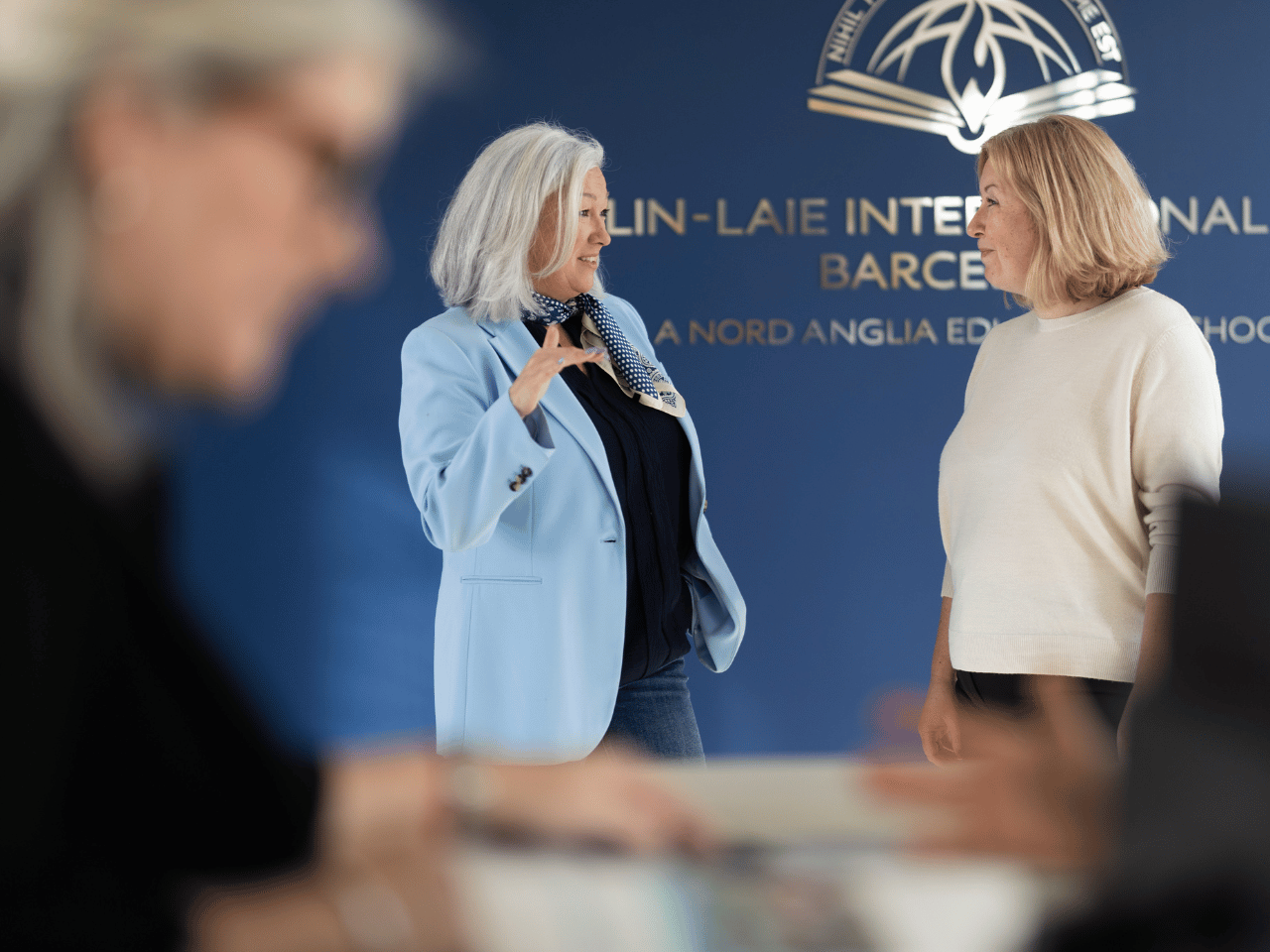
What makes a good international school community?
The academic programme matters. But the community around it matters just as much, particularly for children who are joining a school mid-life and need to build connections quickly.
A good international school community is one where children from different backgrounds feel welcomed rather than merely accommodated. It is one where parents are engaged and connected to each other, where teachers know students as individuals, and where the culture of the school is warm without being insular.
For expat families, the school community is often the primary social network, particularly in the early months after arriving. A school that takes community seriously tends to make the whole experience of relocating feel significantly easier.
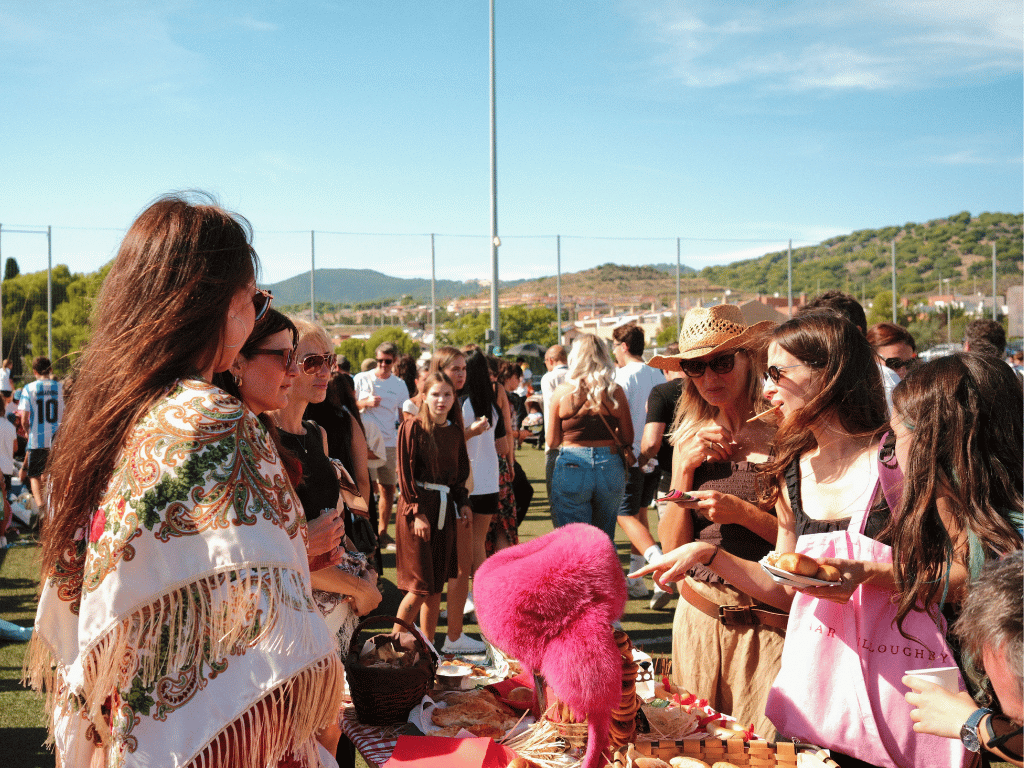
At Hamelin-Laie, the school community spans 60 nationalities, and families consistently describe the welcoming atmosphere as one of the things that made the biggest difference to their early experience in Barcelona.
What role does language play in choosing an international school?
Barcelona is unusual in that it offers children the possibility of growing up fluent in three major languages: English, Spanish, and Catalan. This is a major advantage, and the school you choose plays a large part in how well that potential is realised.
Some international schools in Barcelona operate primarily in English, with limited provision for Spanish and Catalan beyond language lessons. Others integrate all three languages into everyday school life. The latter tends to produce stronger outcomes for children who will build their lives in Spain, and for those who will carry the advantage of multilingualism into their future careers.
How do I know if an international school is the right investment?
This is the question most families are really asking when they start researching schools. The answer depends on what you value and what you are comparing it to.
The evidence on international education is consistently positive. Students who attend high-quality international schools tend to achieve strong university outcomes, develop a global perspective that serves them well in an increasingly interconnected world, and build social skills and resilience through navigating diverse, multilingual environments.
The investment is significant. But for families who are committed to Barcelona and want the best possible foundation for their children, the right international school tends to be worth it.
How to take the next step
The best way to make this decision is to visit the schools you are seriously considering, talk to current families, and trust what you observe. No guide, however thorough, substitutes for spending time inside a school and seeing for yourself whether it feels right for your child.
If you are considering Hamelin-Laie International School, we would love to show you around. Our admissions team is happy to answer questions, arrange a visit, and help you understand whether we are the right fit for your family.
Related news
News image ![Hamelin-Laie Students Develop Leadership Skills at the NAE Social Impact Summit 2026 - Houston Summit 26]() Blog
 Blog
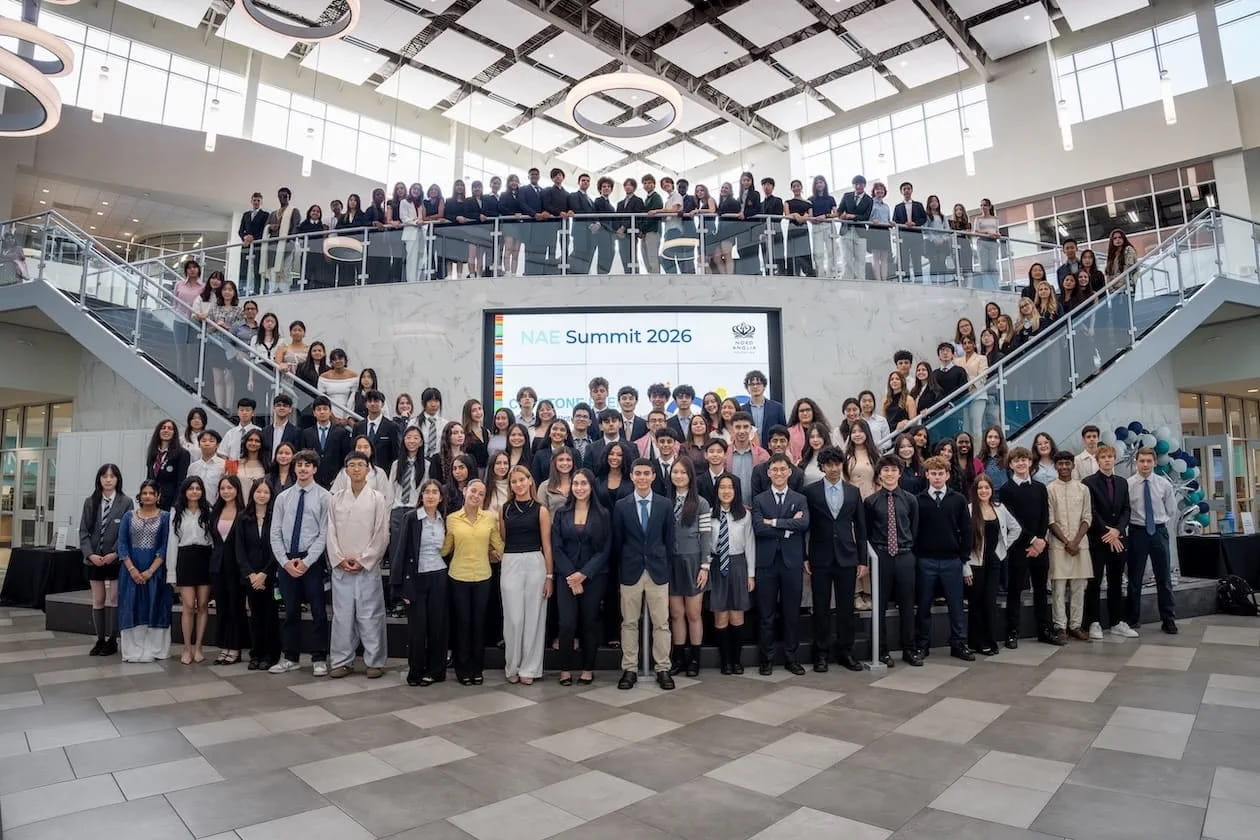
Hamelin-Laie Students Develop Leadership Skills at the NAE Social Impact Summit 2026
Hamelin-Laie students joined the NAE Social Impact Summit 2026, developing leadership skills and collaborating with peers from around the world to drive positive change.
News image ![Trilingual Education in Barcelona: Why It Matters for Your Child - Trilingual education]() Blog
 Blog
How Trilingual Education Works and Why It Matters for Your Child
Discover how trilingual education works at international schools in Barcelona and why English, Spanish and Catalan fluency gives children a lasting advantage.


